Biryani: Who Invented It, How Many Types, and the Best in Bangladesh
One pot, many countries: the story of South Asia’s most loved rice dish
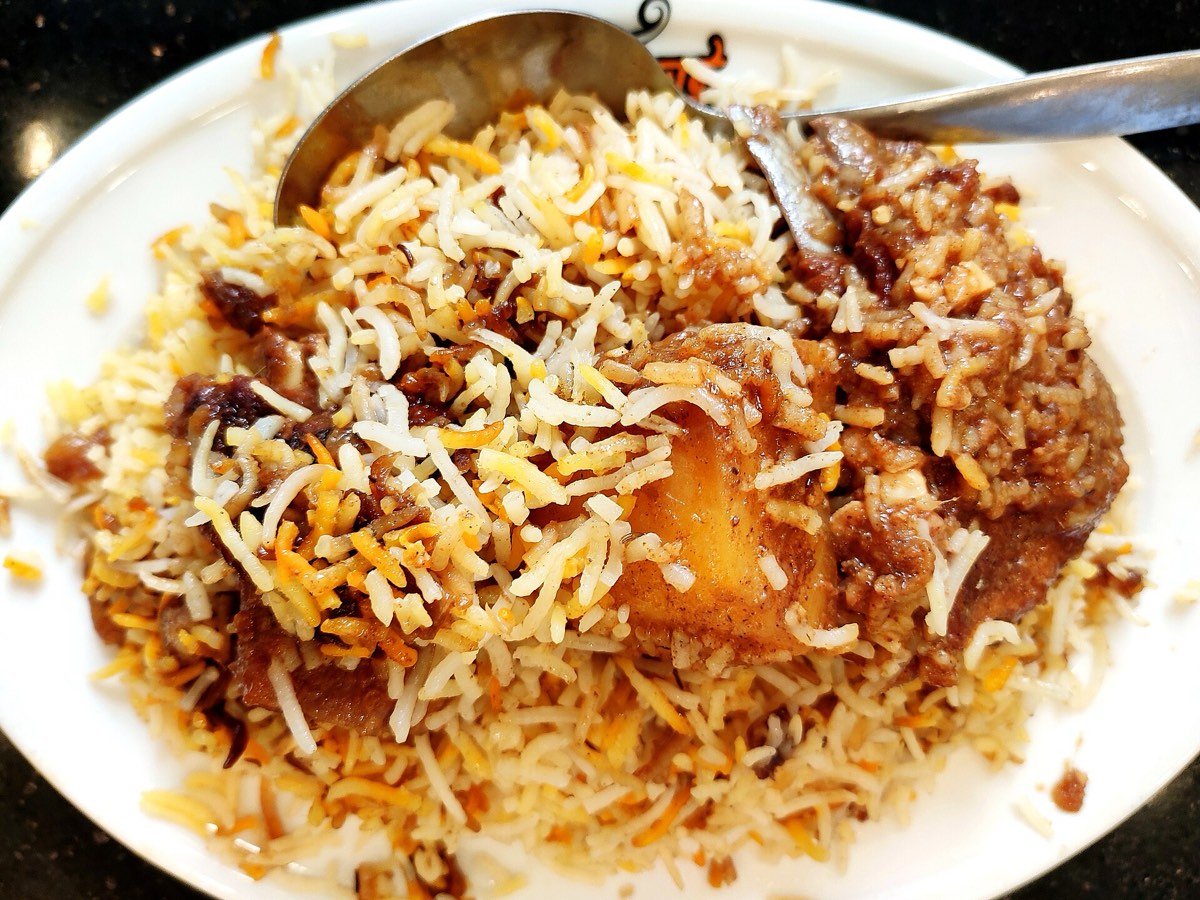
Lift the lid of a biryani pot and the whole room knows it. First comes the steam, then the smell of ghee, saffron, fried onion and slow-cooked meat. Somebody is already reaching for a plate.
Biryani is cooked at weddings in Dhaka, sold from huge copper pots in Hyderabad, packed in boxes in Karachi and served in restaurants all over Europe. Everyone has a favourite, and almost everyone believes their own city makes it best.
In this post we look at where biryani came from, who may have created it, how many kinds there are, how biryani changes between India, Bangladesh and Pakistan, and finally where to find the most famous biryani in Bangladesh.
1Who Invented Biryani, and When?
The honest answer is that no single person invented biryani. There is no name, no date and no first recipe that historians agree on. Biryani grew slowly, over centuries, as cooks moved between Persia, Central Asia and the Indian subcontinent and mixed their ideas in the pot.
Most food historians think biryani grew out of Persian rice dishes such as pilau, which met the strong spices of the Indian subcontinent. It took its famous shape in the royal kitchens of the Mughal Empire, in the 16th and 17th centuries.
Here are the main ideas about where biryani began:
🏺 Persian roots
Rice cooked with meat and fat was known in Persia long before biryani. The Persian scholar Avicenna wrote about pilau in the 10th century.
👑 Mughal kitchens
Historian Lizzie Collingham argues that biryani was born in the Mughal court, when mild Persian pilau met spicy Indian rice cooking. Emperor Akbar ruled from 1556 to 1605.
⚔️ Before the Mughals
Other writers believe biryani reached South Asia earlier, with Persian and Arab traders, soldiers and travellers, especially in the Deccan in the south.
🌾 Ancient rice and meat
Old Indian and Tamil texts describe rice cooked with meat. Food historian K. T. Achaya noted these dishes, but scholars see them as different from later pilau and biryani.
You may hear that Empress Mumtaz Mahal invented biryani to feed hungry soldiers, or that the conqueror Timur brought it to India. Both are popular stories, but there is no historical proof for either of them.
Biryani through time
- 10th centuryAvicenna writes about pilau in Persia, an early cousin of biryani.
- 1556–1605Emperor Akbar rules the Mughal Empire. His court kitchens mix Persian and Indian cooking.
- 1590sThe Ain-i-Akbari records both pilau and biryani.
- 1610Dhaka becomes a Mughal provincial capital. Officials arrive from northern India with their cooks, and some cooks stay and open shops.
- 1856Nawab Wajid Ali Shah of Awadh is sent into exile in Kolkata and brings his Lucknow food culture with him.
- 1939Haji Mohammad Hossain opens a roadside biryani stall in Old Dhaka: Haji Biryani.
- 1960sFakhruddin and Nanna become famous biryani names in Dhaka.
2Kacchi and Pakki: The Two Ways to Cook It
Before we travel between countries, it helps to know the two basic methods. You will see these words on menus in Dhaka, Hyderabad and Karachi.
🥩 Kacchi (raw)
Raw meat, marinated overnight in yoghurt and spices, goes into the bottom of the pot. Part-cooked rice and often potatoes go on top. The lid is sealed, sometimes with dough, and everything cooks slowly together on low heat. This slow sealed cooking is called dum.
🍲 Pakki (cooked)
The meat is cooked first into a rich curry. Then it is layered with rice and finished on dum. It is easier to control, and it is used for chicken, beef and many home biryanis.
Kacchi is harder, because the cook must judge exactly when the raw meat and the rice will both be ready. That is why a good kacchi is a sign of real skill, and why it is the pride of Old Dhaka weddings.
3How Many Types of Biryani Are There?
Nobody has an official list. Food writers list dozens of regional styles, and if you count every family recipe, the number never ends. Below are the best-known types from the three big biryani countries.
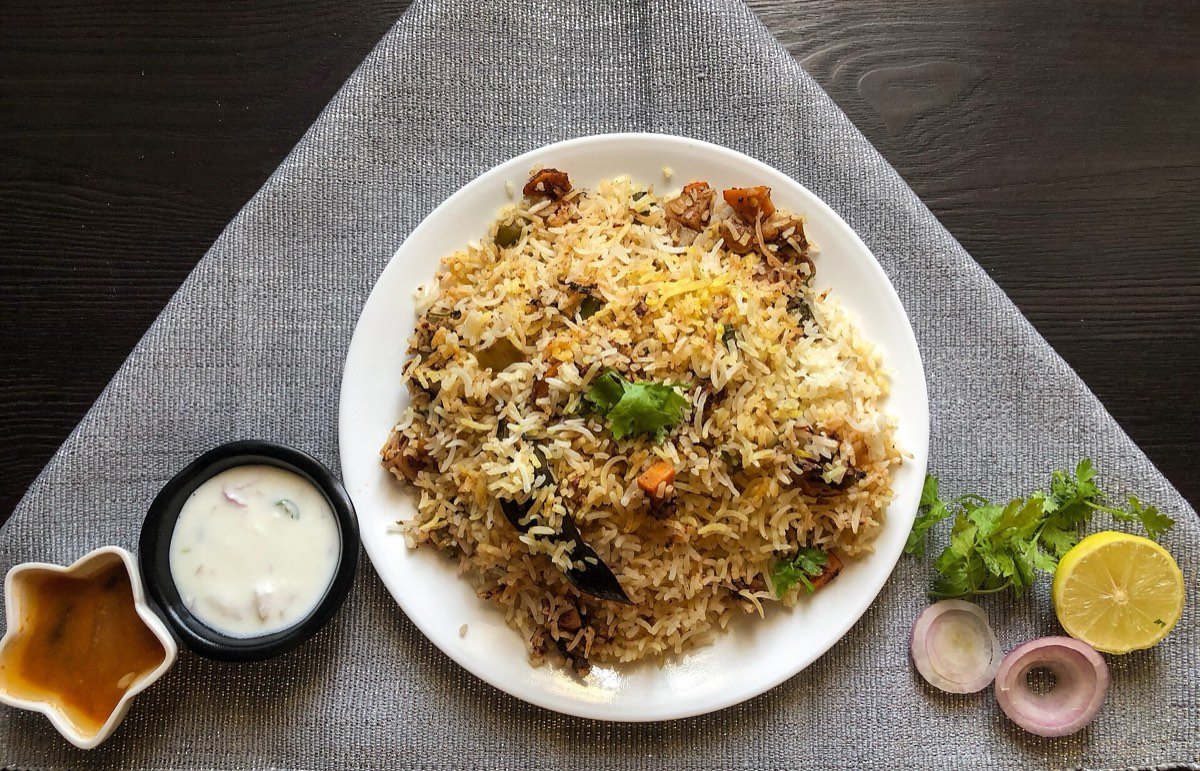
Hyderabadi
The most famous Indian style. Saffron, mint, fried onion and often the raw kacchi method. Served with raita and mirchi ka salan, a chilli curry.
Photo: Mahi Tatavarty, resized, CC BY-SA 4.0, via Wikimedia Commons.
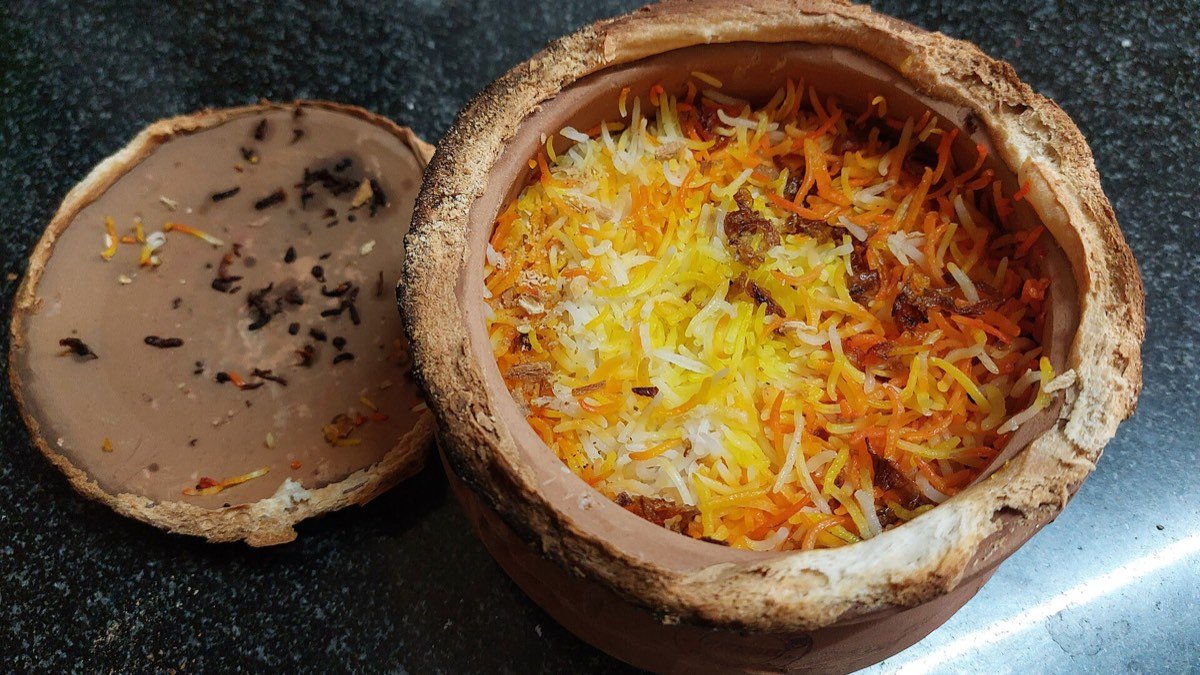
Lucknowi (Awadhi)
Gentle, fragrant and elegant. The meat and rice are often cooked in a sealed pot, sometimes made of clay, in the slow dum pukht style.
Photo: Kalesh, resized, CC BY-SA 4.0, via Wikimedia Commons.
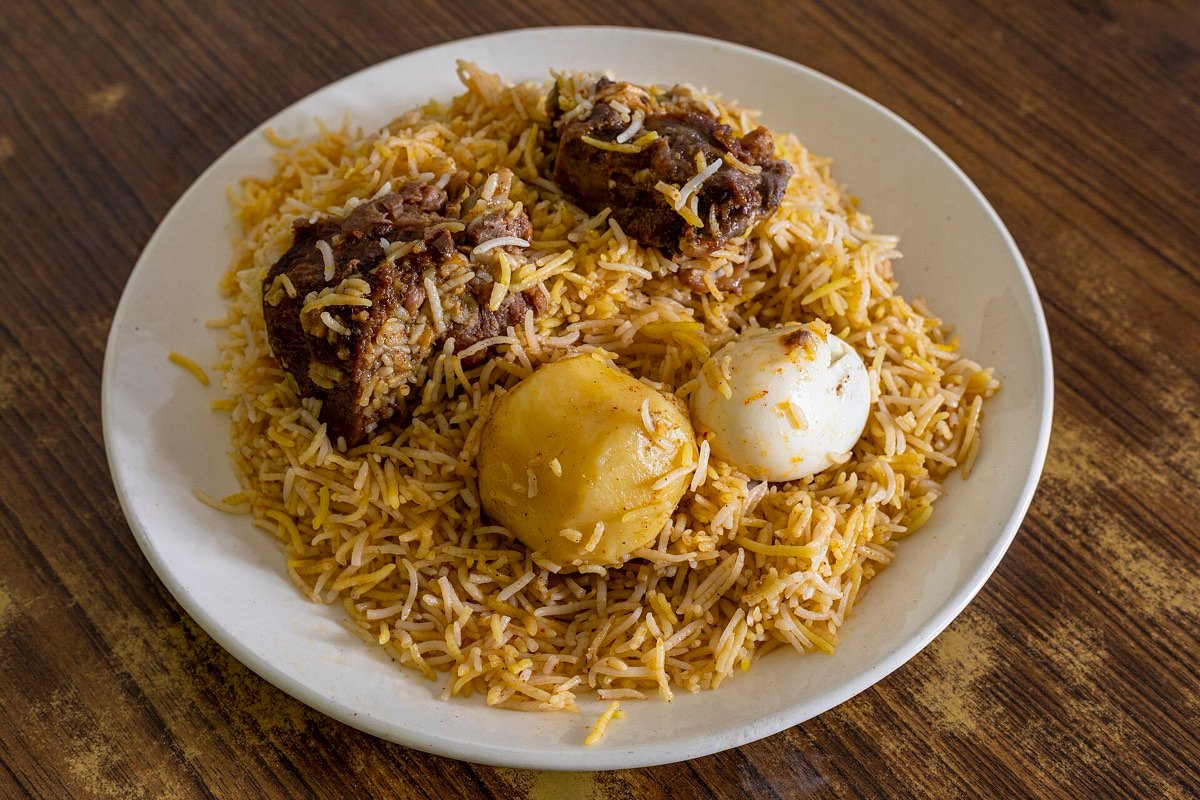
Kolkata
Light, mildly spiced and slightly sweet, famous for its potato and boiled egg. It grew from the Lucknow kitchens of Wajid Ali Shah in exile.
Photo: DeepanjanGhosh, resized, CC BY-SA 4.0, via Wikimedia Commons.
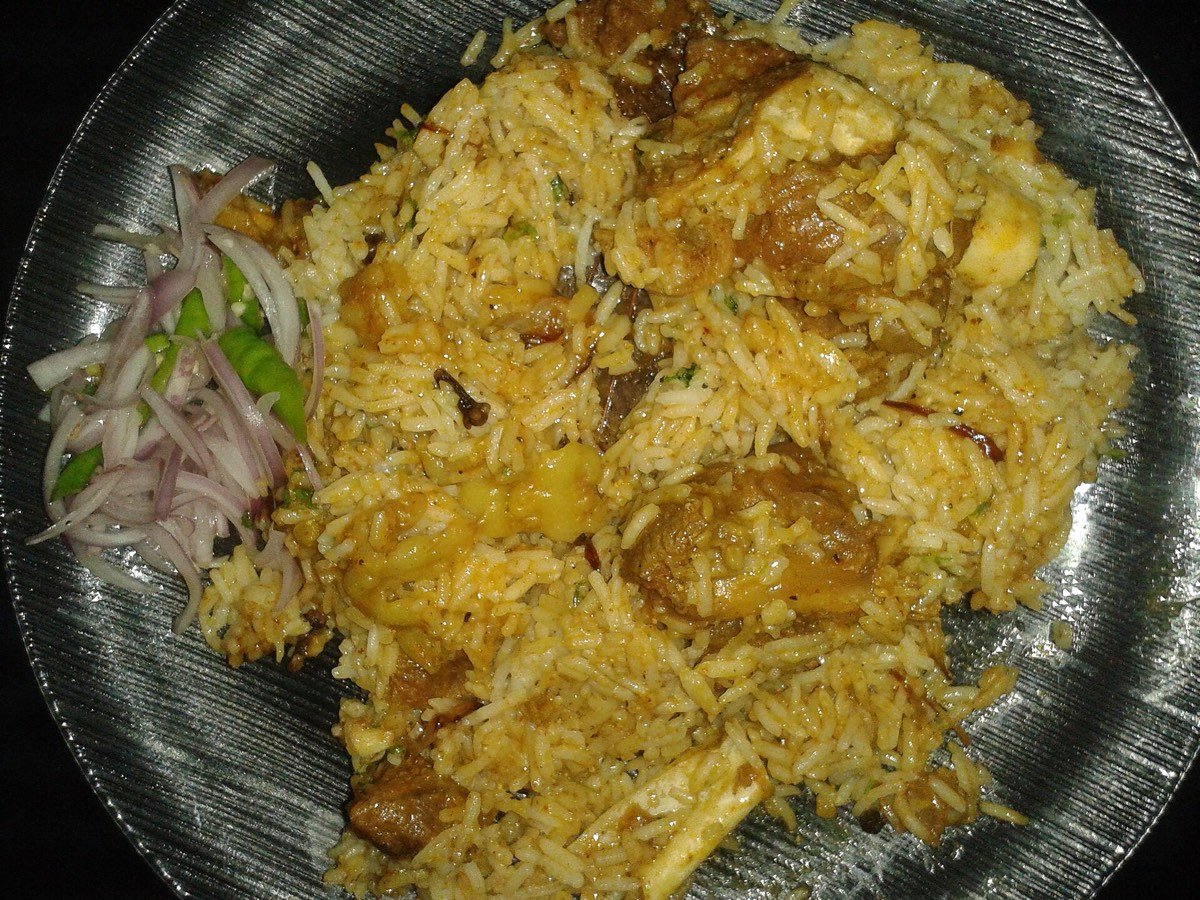
Malabar (Kerala)
From India’s south-west coast. It is usually made with small, fragrant local rice instead of long basmati, plus coconut-coast spices, cashews and raisins.
Photo: Nita Abbey, resized, CC BY-SA 4.0, via Wikimedia Commons.
Other Indian styles include Ambur and Dindigul biryani from Tamil Nadu, which also use small local rice, and Mumbai and Delhi favourites, each with its own spice blend.
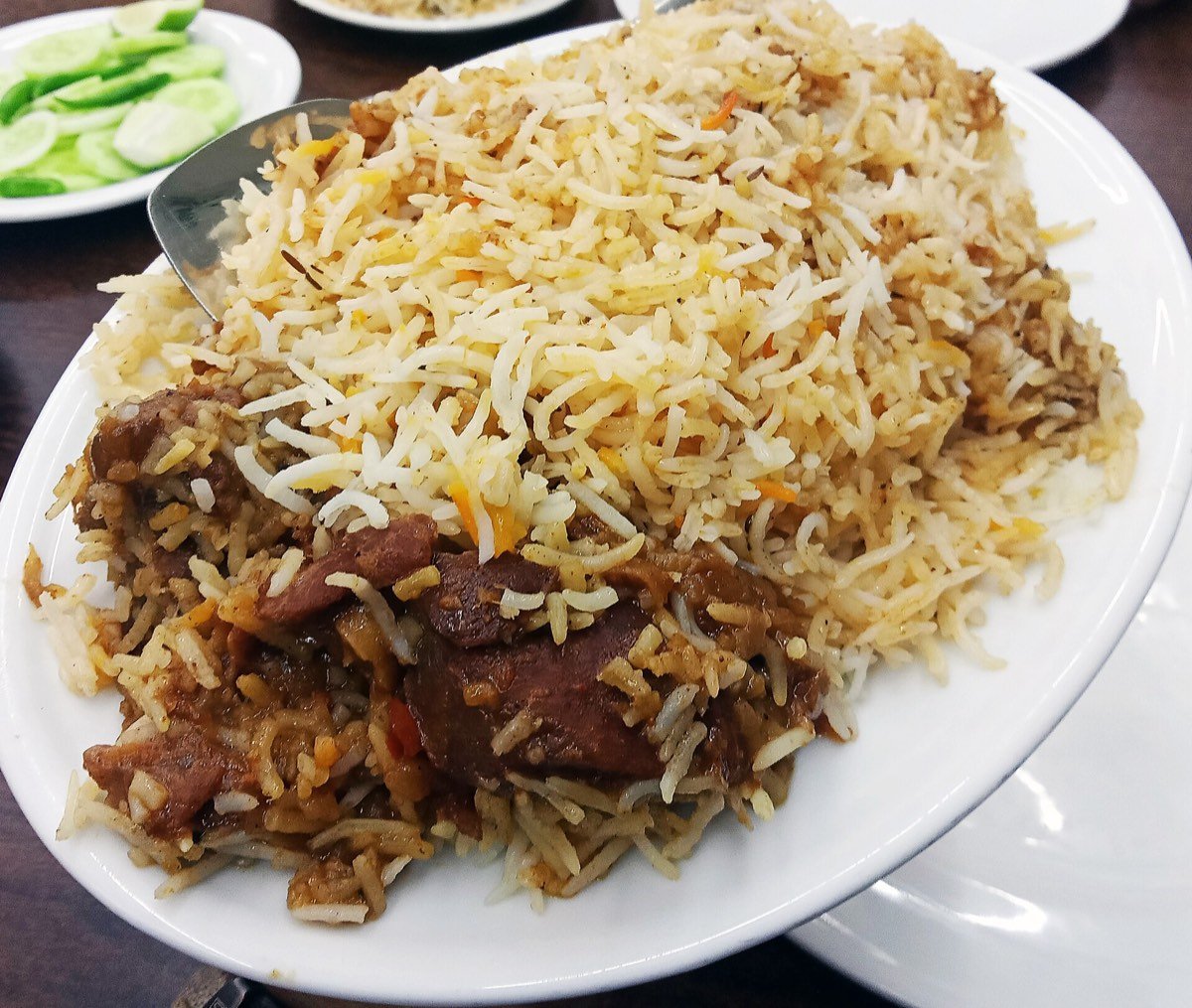
Kacchi Biryani
The king of Bangladeshi biryani. Mutton (goat) is marinated in yoghurt and spices, then cooked raw under rice and potatoes in a sealed pot. It is the classic Old Dhaka wedding dish.
Photo: Nahian, resized, CC BY 4.0, via Wikimedia Commons.
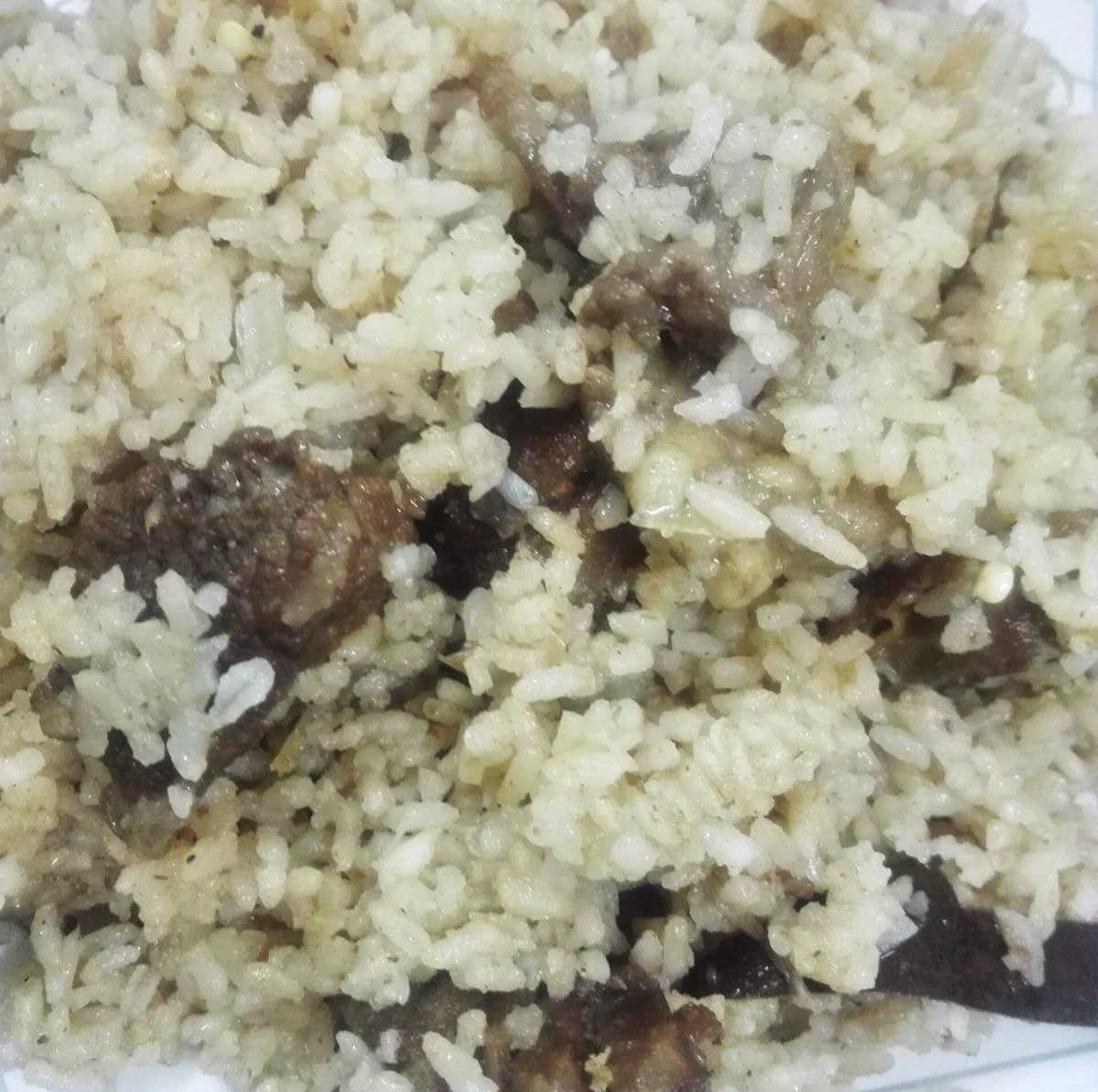
Tehari
A homely, everyday cousin of biryani. Small pieces of beef are cooked together with the rice, often in mustard oil, with green chillies. It is cheaper, quicker and much loved for lunch.
Photo: Ferdous, resized, CC BY-SA 3.0, via Wikimedia Commons.
You will also find chicken biryani, beef kacchi and the famous Old Dhaka morog polao, a chicken pilau that is a close relative of biryani but milder, without the heavy layering.
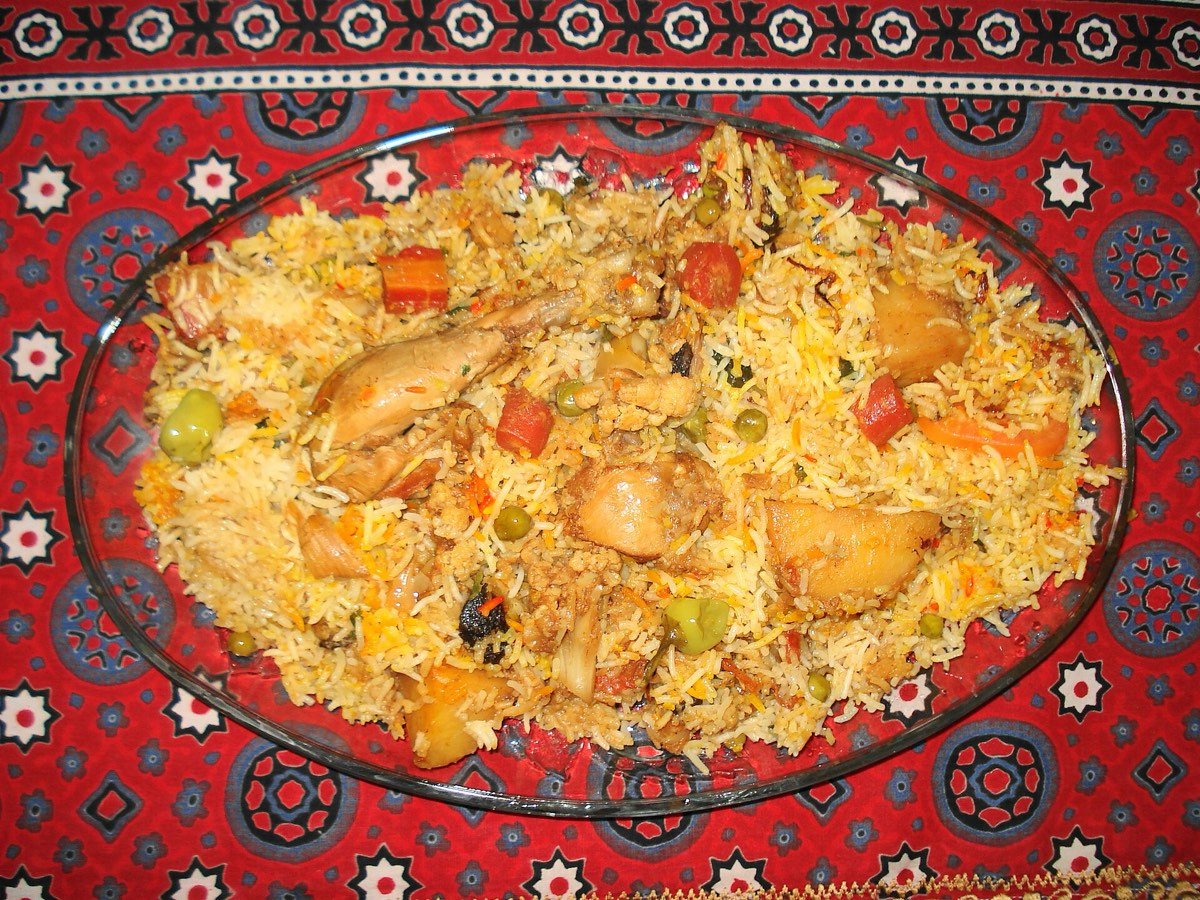
Sindhi Biryani
From the Sindh province. Bold and spicy, usually with potatoes, tomatoes, yoghurt, green chillies and often dried plums (aloo bukhara) for a sweet and sour bite.
Photo: Miansari66, public domain, via Wikimedia Commons.
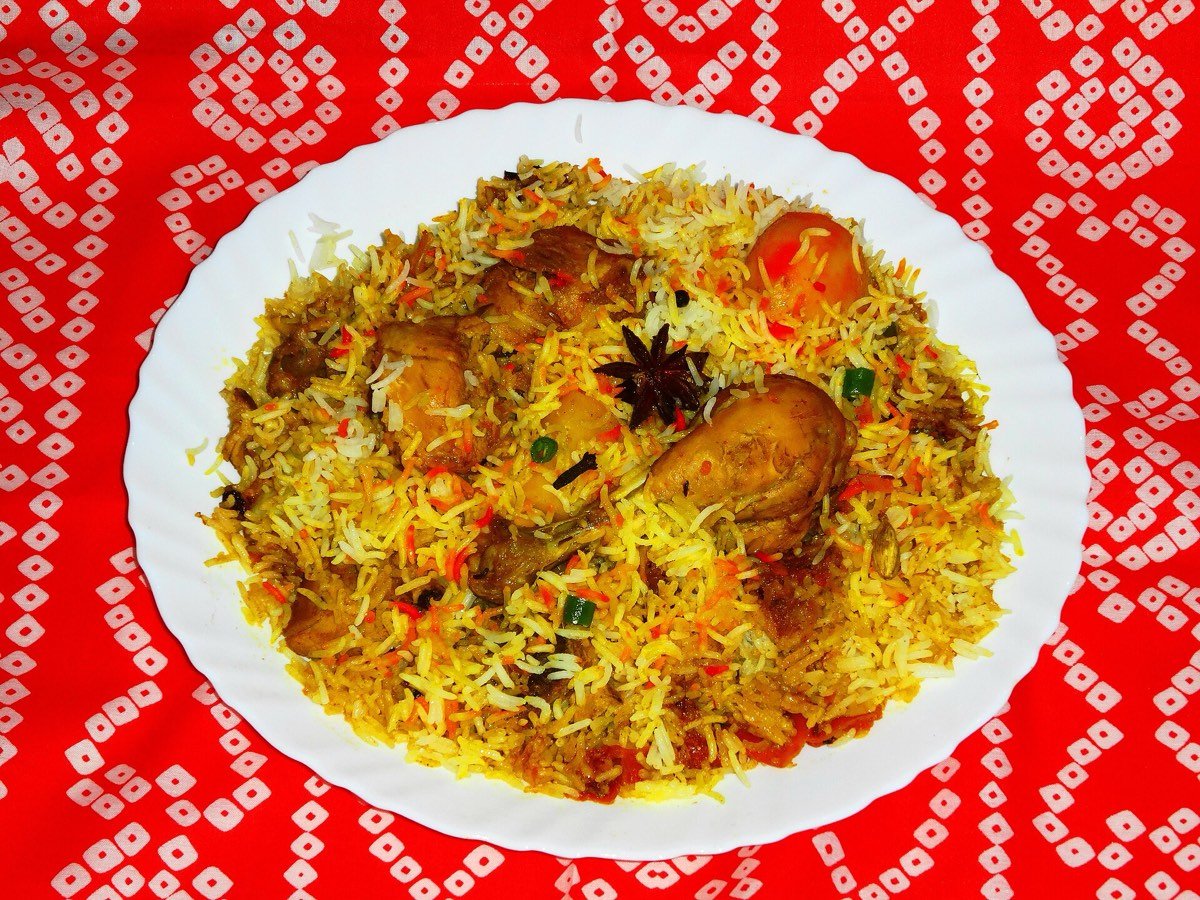
Karachi Biryani
Karachi is Pakistan’s biryani capital. Its biryani is spicy, colourful and full of whole spices. Student Biryani is one of the city’s best-known names.
Photo: Miansari66, CC0 (public domain), via Wikimedia Commons.
Pakistan also loves Bombay biryani, brought by families who moved from Mumbai, with potatoes and plums, as well as beef biryani and the very spicy biryani of the Memon community.
4India, Bangladesh and Pakistan: What Is the Difference?
All three countries share the same biryani family tree, so these are general patterns, not strict rules. Every city, cook and grandmother does it a little differently.
| India | Bangladesh | Pakistan | |
|---|---|---|---|
| Character | Huge variety from north to south, from mild Kolkata to rich Hyderabadi | Rich, fragrant and buttery, built for celebrations | Bold, tangy and spicy |
| Spice level | 🌶️🌶️ to 🌶️🌶️🌶️, depending on region | 🌶️🌶️ warm, more aromatic than hot | 🌶️🌶️🌶️ usually the hottest |
| Favourite meat | Chicken and mutton; many vegetarian versions too | Mutton (goat) for kacchi; beef for tehari; chicken | Chicken and beef; mutton for special days |
| Rice | Long basmati in the north; small local rice in the south | Basmati, or small fragrant local rice such as chinigura | Long basmati |
| Fat | Ghee or oil | Ghee, and mustard oil in some Old Dhaka classics | Oil or ghee |
| Signature extras | Saffron and mint (Hyderabad); potato and egg (Kolkata) | Potato, plums, rose or kewra water, fried onion | Tomato, potato, dried plums, green chillies |
| Served with | Raita, salan, salad | Borhani (spicy yoghurt drink), salad, firni | Raita, salad, kachumber |
On a small screen, swipe the table sideways to see all three countries.
India in one line
The widest family: dozens of regional styles, from royal Lucknow to coastal Kerala.
Bangladesh in one line
Kacchi with potato and borhani: fragrant, rich and made for weddings and Eid.
Pakistan in one line
Spicy, tangy and colourful, with tomatoes, chillies and plums.
Potato in biryani is loved in Dhaka and Kolkata. Many people link it to the exiled Nawab Wajid Ali Shah, but historians disagree, and some think the potato arrived much later. Either way, in Bangladesh a kacchi without its potato feels incomplete.
5The Best Biryani in Bangladesh
“Best” is always personal, and Dhaka people will happily argue about it for hours. But some names come up again and again. These are the most famous biryani houses in Bangladesh, most of them in and around Old Dhaka. This list is not paid for or sponsored.
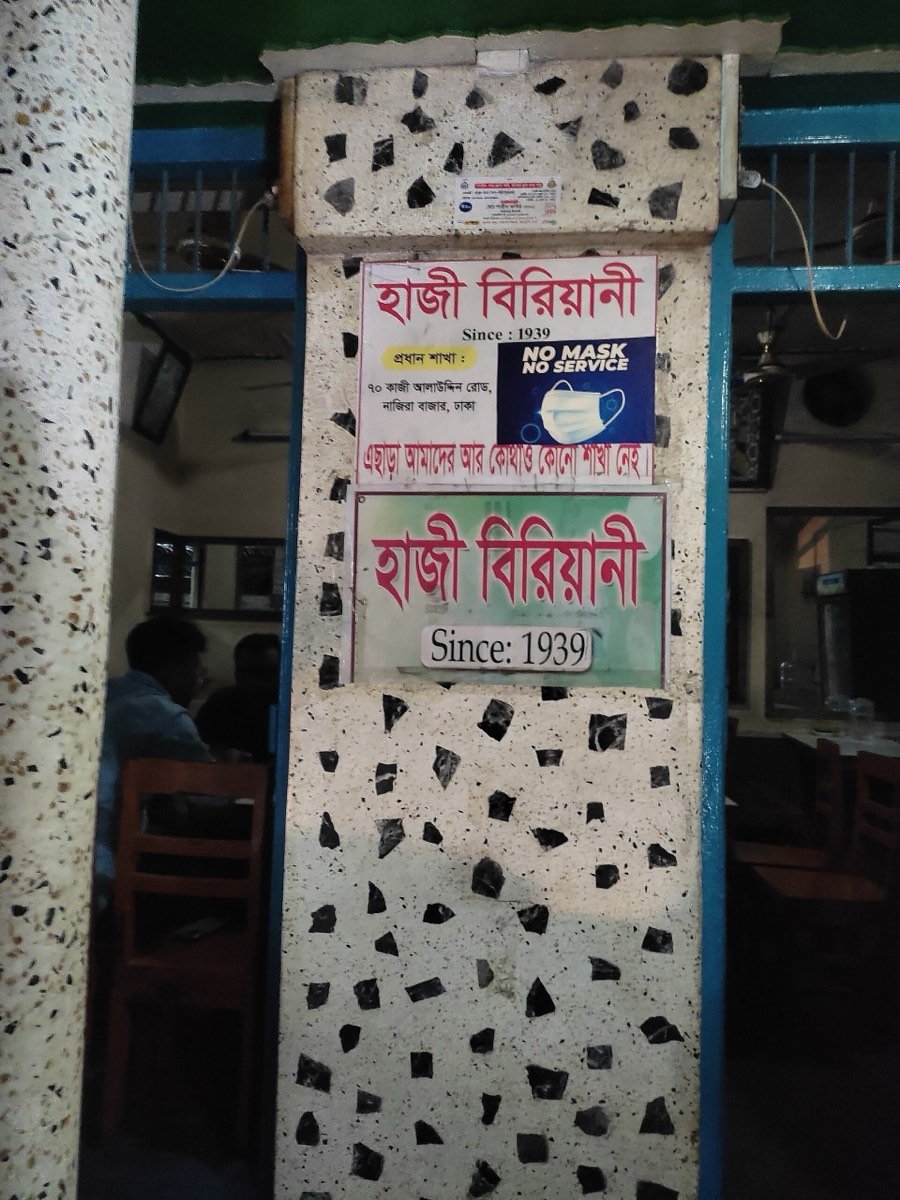
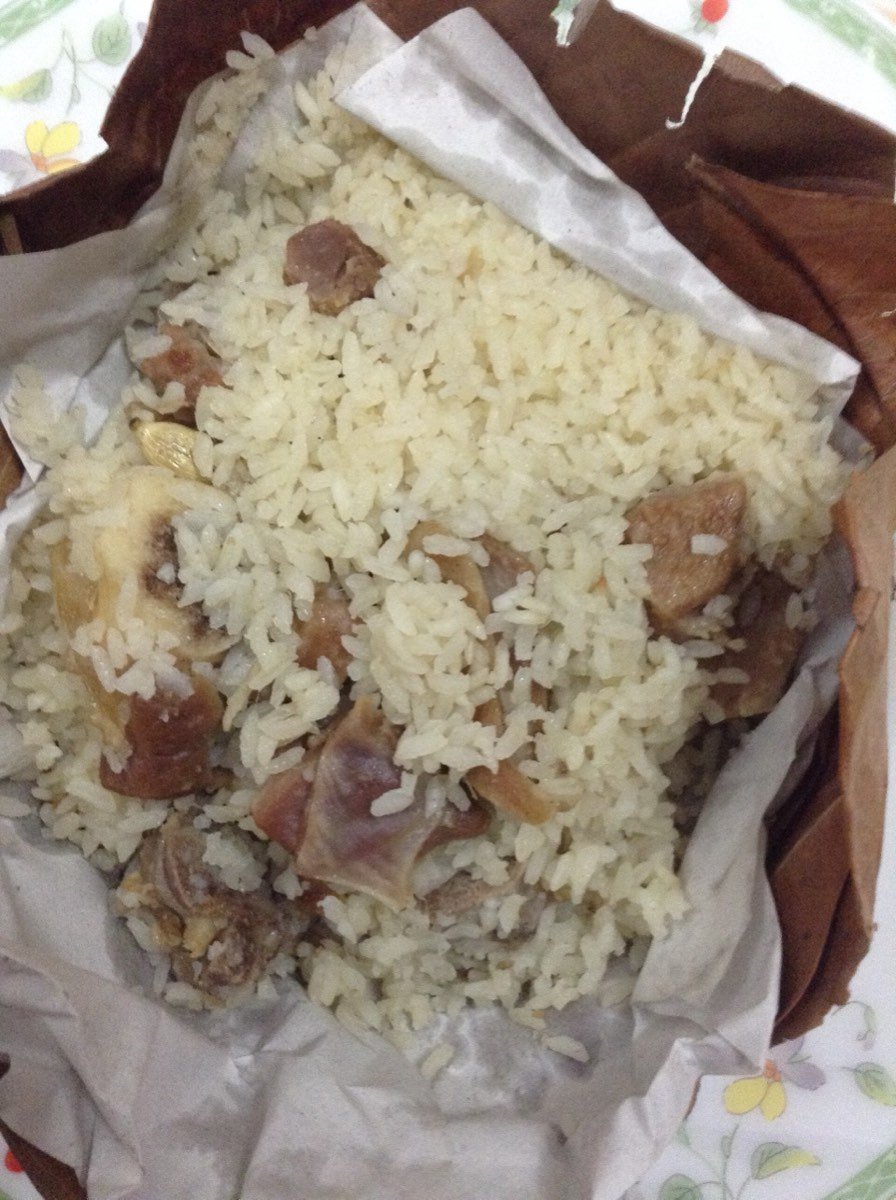
Haji Biryani
Nazira Bazar, Old Dhaka · since 1939
The legend. Haji Mohammad Hossain started it as a roadside stall in 1939, and his family still runs it. It uses goat meat (chevon) cooked with rice in mustard oil instead of ghee, and it is traditionally packed in leaves. The family says the recipe has never changed, “not even the amount of salt”.
Fakhruddin Biryani
Dhaka, many branches · since the 1960s
Cook Fakhruddin Ahmed is often called the father of Bangladeshi wedding food. His family turned his name into a brand famous for kacchi biryani, with branches across Dhaka and outlets abroad.
Nanna Biryani
Old Dhaka · since the 1960s
Started by the cook (baburchi) Nanna Mia, this Old Dhaka name is just as loved as the big brands. Food travellers, such as the YouTuber Trevor James, have praised it alongside Haji Biryani.
Star Kabab (Star Hotel)
Dhaka, many branches · since 1965
Famous for kebabs, but its tehari is so popular that it often sells out before noon. A true Dhaka lunch tradition.
Sultan’s Dine
Dhaka and Chattogram · modern chain
A newer name that has become very popular for its mutton kacchi biryani, with a growing number of branches.
Go early. The famous Old Dhaka pots are cooked in the morning, and when a pot is finished, it is finished. Opening hours and prices change, so check before you go.
6How to Enjoy Biryani the Bangladeshi Way
In Bangladesh, biryani is never alone on the table. These are its best friends:
- 🥛 Borhani: spicy mint-yoghurt drink
- 🥗 Cucumber and onion salad
- 🍋 Lemon and green chilli
- 🍮 Firni or jorda for dessert
Borhani is the secret. It is salty, a little spicy and full of mint, and it cuts through the richness of kacchi. A Dhaka wedding without borhani would feel strange.
Eat slowly and dig to the bottom of the plate. The best bite is the soft potato that has spent hours soaking up the meat juices and ghee.
Biryani has no single inventor, but it has millions of owners. It belongs to the Persian cooks who first cooked rice with meat, to the Mughal kitchens, to the cooks of Lucknow, Hyderabad and Karachi, and to the baburchis of Old Dhaka who still light their fires every morning.
Which biryani is your favourite: Dhakai kacchi, Hyderabadi dum or spicy Sindhi? If you cook or eat a great biryani, send me a photo. It may appear here on the blog.
— Imran Hossain
Sources:
- Biryani: history, word origin, kacchi and pakki, and regional styles
- Global Voices: how Dhaka’s biryani became everyone’s dish
- Haji Biryani: history and ingredients
- The Daily Star: the flavour of Dhaka
- The Daily Star: taking Fakruddin Biryani beyond Bangladesh
- Star Kabab: history
- The Business Standard: how five of Dhaka’s top eateries have stood the test of time
- The Business Standard: Sultan’s Dine now in Chattogram
- Kolkata biryani and the potato
- Live History India: who put the potato in the Kolkata biryani?
- Sindhi biryani: main ingredients
All photographs in this article are real photographs shared under free licences on Wikimedia Commons. The author, licence and source are credited under each one. The spice levels and comparisons are general guides, not strict rules.